Continuing Education for Police, Investigators and Supervisors

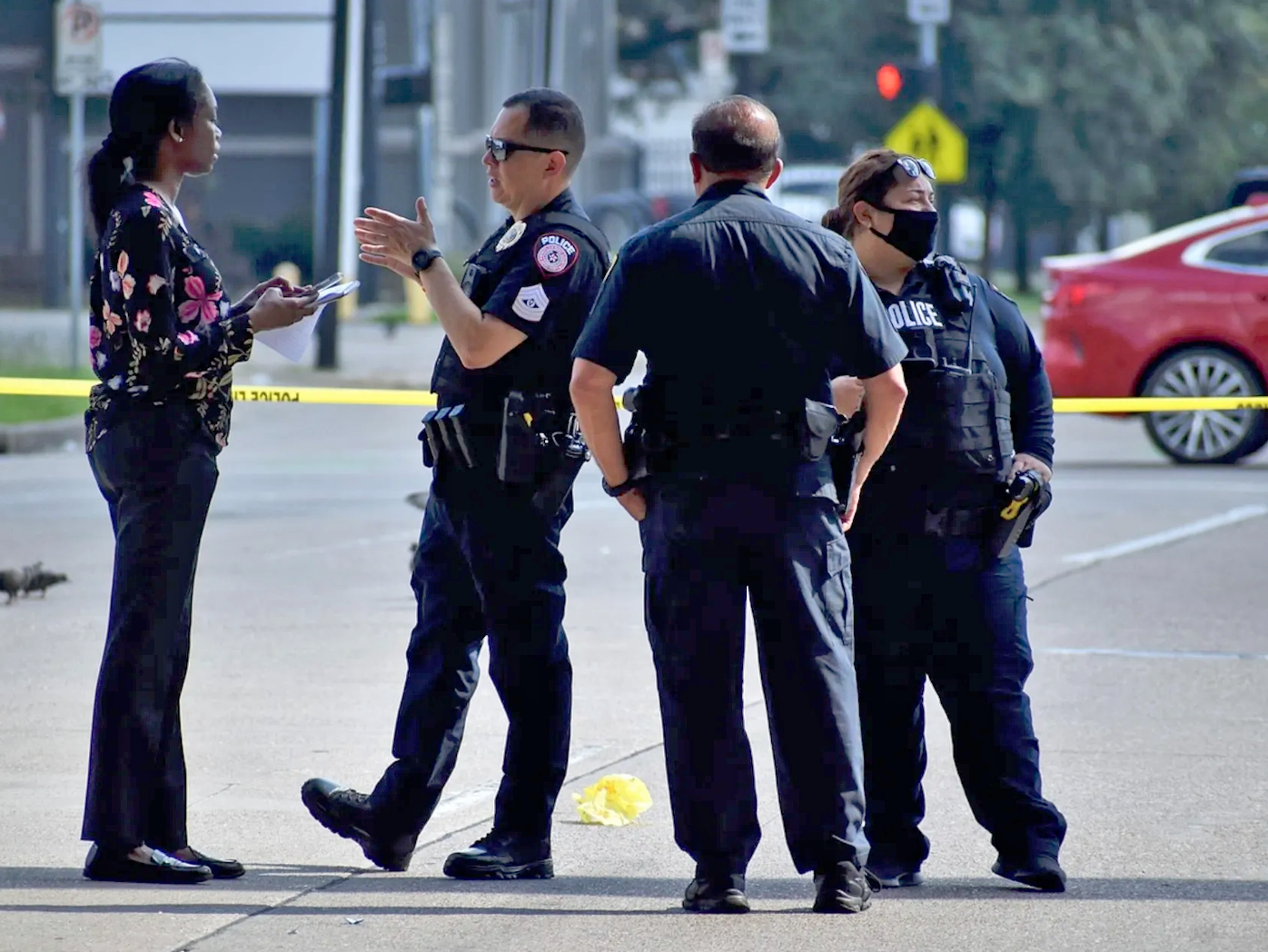
Fully meets and exceeds requirements from POST, IACP, INTERPOL, and national training bodies.
Integrates trauma science, law enforcement ethics, advanced communication, documentation, advocacy, and cultural competence.
Prepares officers and supervisors for trauma-informed, survivor-centered, and ethically rigorous policing.
Positions law enforcement agencies as leaders in trauma-informed public safety and survivor advocacy.
Trauma Science for Law Enforcement
Provides foundational and advanced knowledge of trauma neurobiology, the impact of trauma on behavior, and the dynamics of secondary re-traumatization in law enforcement encounters. Officers learn to identify trauma responses in victims, witnesses, and suspects, and recognize when policing practices may inadvertently cause harm.
Key Competencies:
Trauma neurobiology and behavioral response
Recognizing trauma triggers during investigations and arrests Secondary re-traumatization through law enforcement procedures
Trauma-informed interviewing and engagement
Ethics and Preventing Systemic Harm in Policing
Explores the ethical responsibilities of law enforcement professionals in preventing institutional betrayal and systemic re-traumatization. The course applies national and international codes of conduct, trauma-informed principles, and ethical decision-making to policing.
Key Competencies:
Law enforcement ethics in trauma-affected cases
Institutional betrayal and ethical drift
Advocacy for procedural justice and survivor dignity
Upholding integrity and accountability in policing
Trauma-Informed Communication and De-escalation
Teaches advanced communication and de-escalation skills for interacting with trauma-affected individuals. Officers learn to recognize clinical rupture, conduct repair conversations, and restore trust, even in high-stress or crisis situations.
Key Competencies:
Trauma-informed communication and de-escalation
Recognizing and repairing procedural rupture
Apology and accountability in law enforcement practice
Building trust and rapport with survivors and communities
Trauma-Informed Investigation and Documentation
Equips officers and investigators with advanced skills for trauma-sensitive investigation, evidence collection, and documentation. Emphasis is placed on recognizing trauma histories, avoiding re-traumatization in records, and ensuring documentation is legally sound and survivor centered.
Key Competencies:
Trauma-sensitive interviewing and investigation
Ethical and legal standards for evidence and documentation
Recognizing and recording signs of secondary victimization
Documentation for criminal justice and multidisciplinary contexts
Navigating Legal, Media, and Public Exposure
Prepares officers to support victims and witnesses exposed to legal proceedings, media attention, or digital harassment. The course covers anticipatory guidance, managing trauma activation during public events, and advocating for survivor safety and narrative agency.
Key Competencies:
Preparing survivors for legal and public exposure
Managing trauma activation in high-profile cases
Digital safety and privacy for victims
Law enforcement advocacy in courts, media, and community relations
Cultural Humility, Bias, and Epistemic Justice in Policing
Addresses the intersection of trauma, culture, and systemic bias in law enforcement. Officers learn to identify and mitigate credibility bias, epistemic injustice, and barriers to justice for marginalized survivors, delivering culturally responsive, equitable policing.
Key Competencies:
Cultural humility and trauma-informed policing
Addressing bias in investigation and engagement
Epistemic justice and testimonial respect
Strategies for procedural equity and inclusive law enforcement